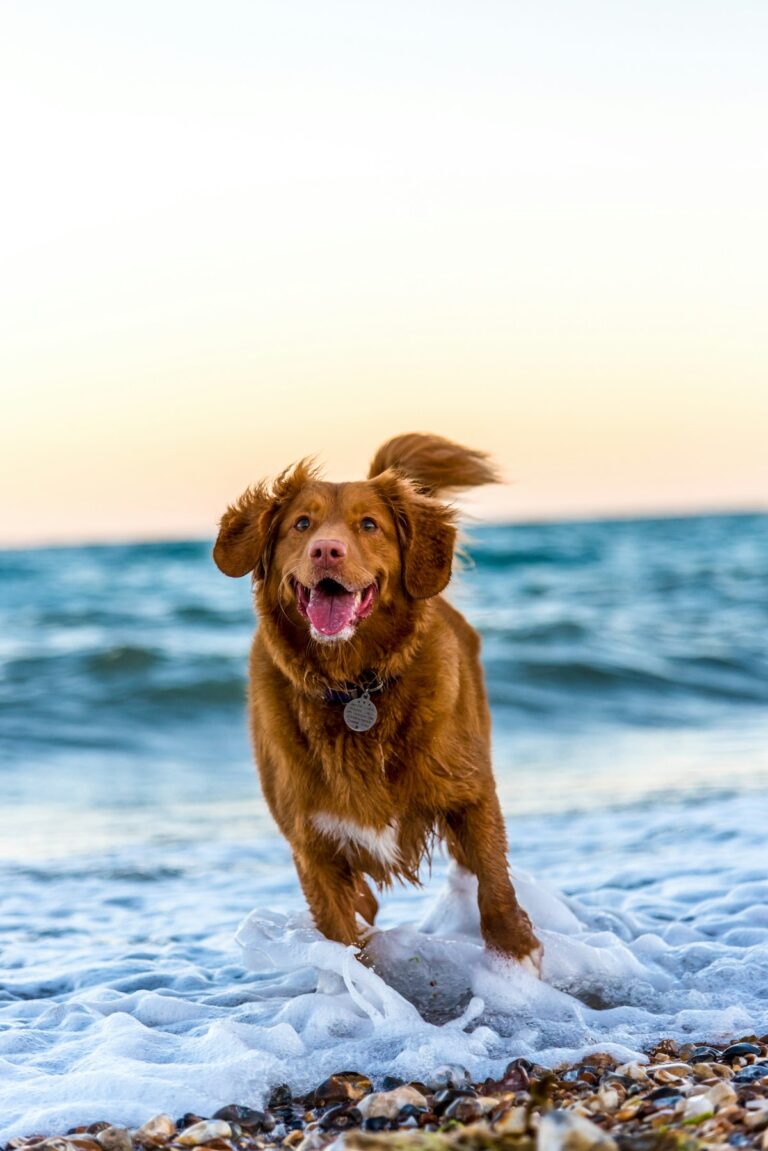
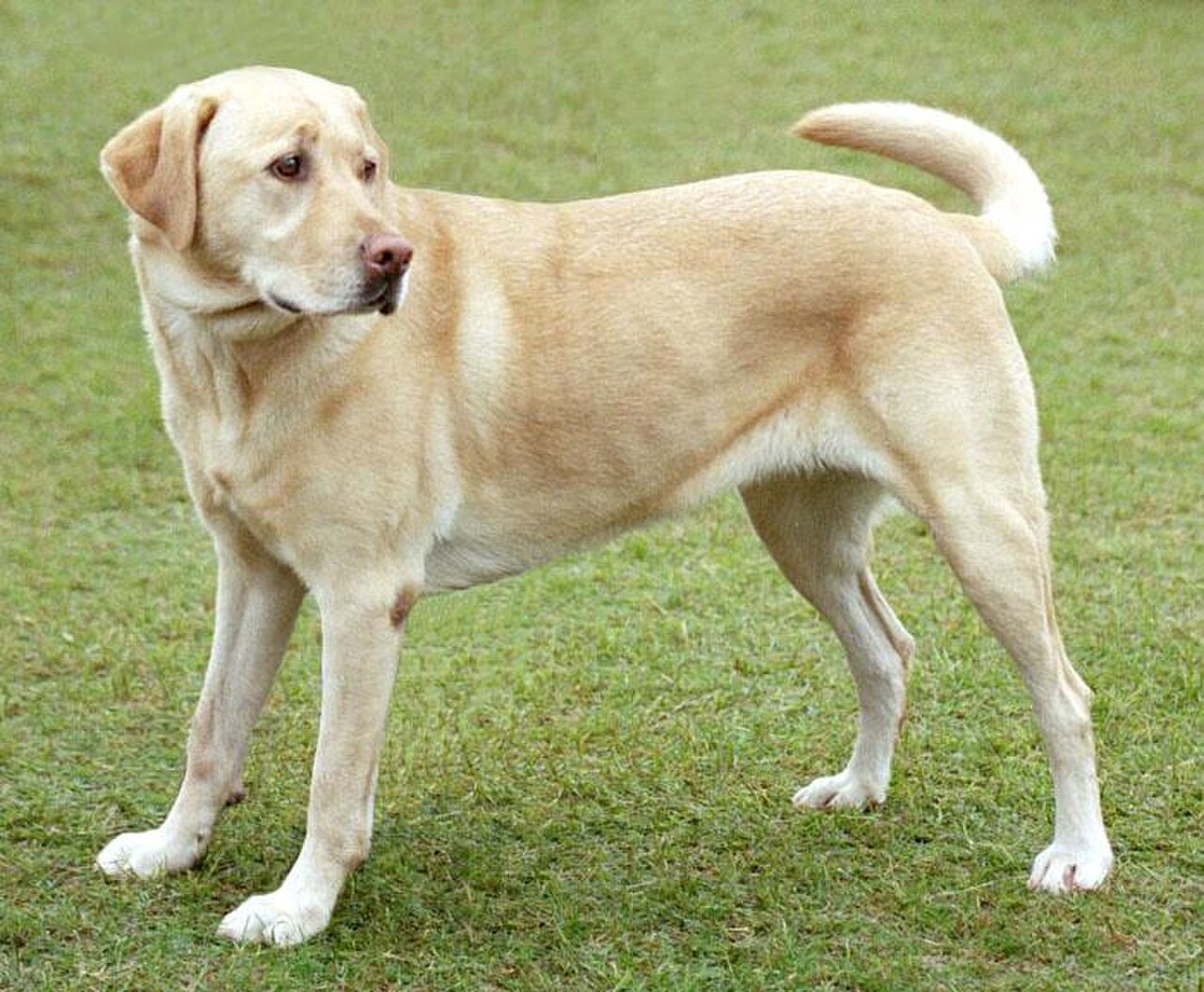
One dog year does not equal seven human years. A dog's first year equals about 15 human years. The second year adds about 9 more, so a 2 year old dog is about 24 in human years. After that, each dog year equals about 4 to 7 human years, depending on the dog's size. Small dogs age more slowly than large dogs.
You have probably heard that one dog year equals seven human years. It is easy to remember. But it is not correct.
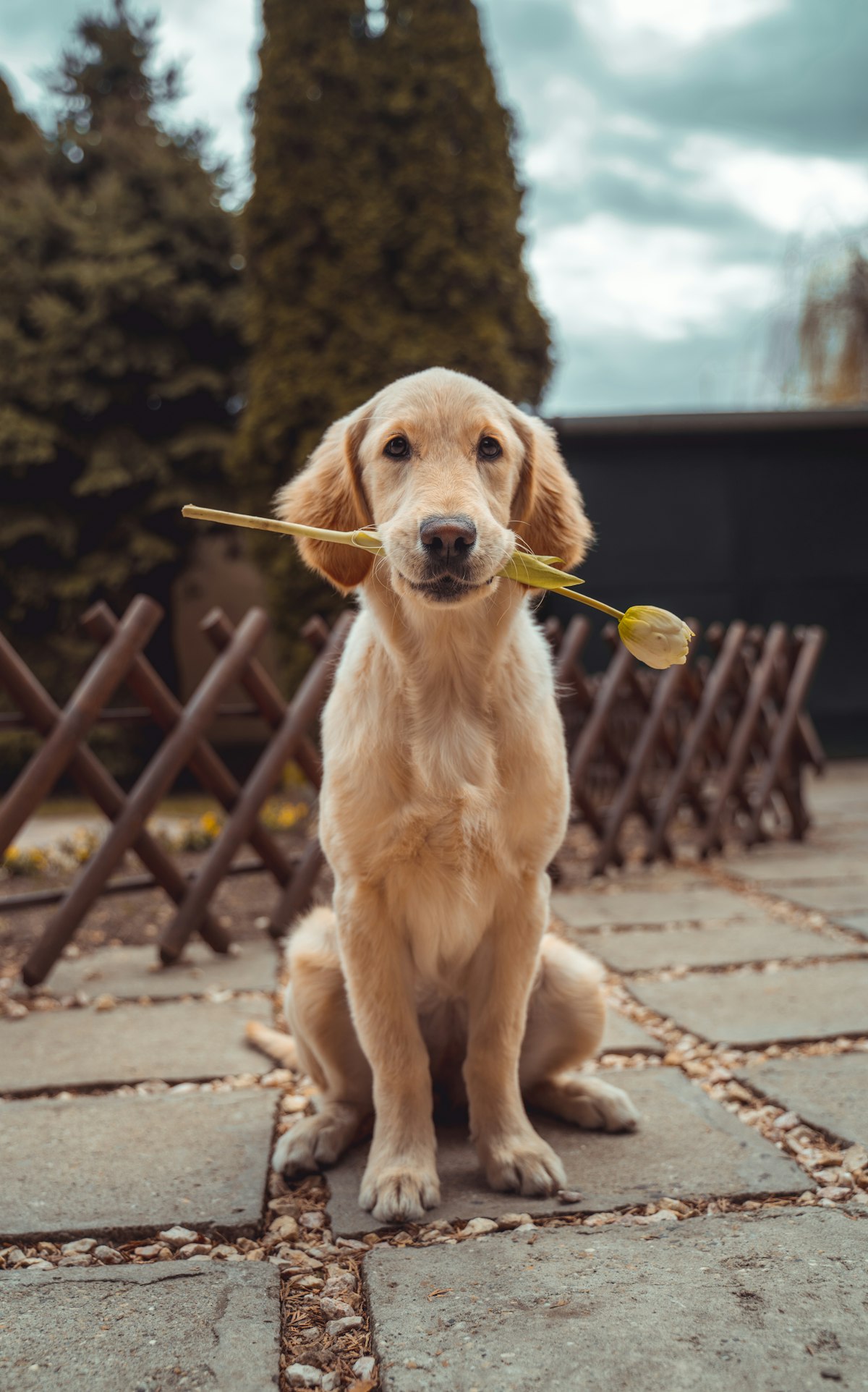
Dogs grow up very fast in the first two years, then their aging slows down. Size matters too. A 10 year old Chihuahua and a 10 year old Great Dane are at very different stages of life.
This guide explains how to convert dog years to human years, gives you an easy chart by size, and shows you what each life stage means for your dog's care.
Why the "Multiply by 7" Rule Is Wrong
The old seven year rule came from a simple idea. People live to about 70, and dogs live to about 10. So 70 divided by 10 equals 7.
But dogs do not age at an even pace. Think about it this way. A 1 year old dog can have puppies and is fully grown or close to it. A 7 year old child cannot do either of those things. So a 1 year old dog is much more like a teenager than a young child.
Dogs age very quickly at first, then more slowly as adults. The seven year rule misses this completely.
The Better Way to Count Dog Years
Most vets now use a simple guide:
- First year: About 15 human years
- Second year: About 9 more human years, for a total of about 24
- Each year after that: About 4 to 7 human years, depending on size
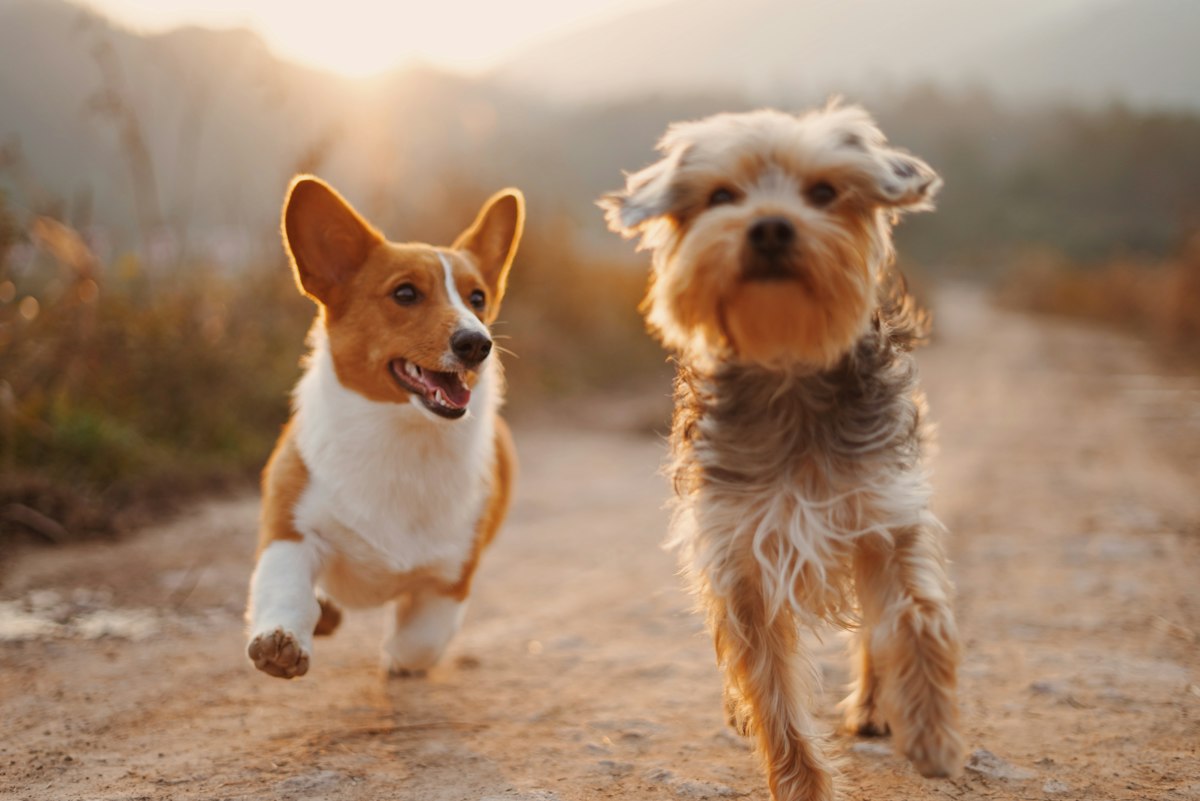
Small dogs add closer to 4 years each year. Giant dogs add closer to 7.
Dog Years to Human Years Chart
Find your dog's size and age to see its rough age in human years. These numbers are estimates, since every dog ages a little differently.
Dog sizes
- Small: 20 pounds or less
- Medium: 21 to 50 pounds
- Large: 51 to 100 pounds
- Giant: over 100 pounds
| Dog Age | Small | Medium | Large | Giant |
|---|---|---|---|---|
| 1 | 15 | 15 | 15 | 12 |
| 2 | 24 | 24 | 24 | 22 |
| 3 | 28 | 28 | 28 | 31 |
| 4 | 32 | 32 | 32 | 38 |
| 5 | 36 | 36 | 36 | 45 |
| 6 | 40 | 42 | 45 | 49 |
| 7 | 44 | 47 | 50 | 56 |
| 8 | 48 | 51 | 55 | 64 |
| 9 | 52 | 56 | 61 | 71 |
| 10 | 56 | 60 | 66 | 79 |
| 11 | 60 | 65 | 72 | 86 |
| 12 | 64 | 69 | 77 | 93 |
| 13 | 68 | 74 | 82 | 100 |
| 14 | 72 | 78 | 88 | 107 |
| 15 | 76 | 83 | 93 | 114 |
| 16 | 80 | 87 | 99 | 121 |
Example: A 10 year old small dog is about 56 in human years. A 10 year old large dog is about 66. A 10 year old giant dog is about 79.
The Science Way: The DNA Formula
In 2019, scientists at the University of California, San Diego studied how dogs age at the DNA level. They looked at small chemical changes on DNA that build up over time. People have these changes too.
Their study, which focused on Labrador Retrievers, came up with this formula:
Human age = 16 × ln(dog age) + 31
The "ln" means natural logarithm. You can find the "ln" button on most phone calculators if you turn the phone sideways.
Here is what that formula gives you:
| Dog Age | Human Age (DNA Formula) |
|---|---|
| 1 | 31 |
| 2 | 42 |
| 4 | 53 |
| 6 | 60 |
| 8 | 64 |
| 10 | 68 |
| 12 | 71 |
| 14 | 73 |
This formula shows the same big idea. Dogs age very fast early on, then slow down. But it was based on one breed, so it may not fit every dog. The size chart above is still the most common tool vets use.
Why Do Small Dogs Live Longer?
In most animals, bigger animals live longer. Elephants live longer than mice. But dogs are the opposite. Small dogs usually live longer than big dogs.
Scientists are still studying why. One leading idea is that large dogs grow so fast that their bodies age faster too. Large and giant breeds also tend to have more health problems like joint issues and some cancers.
Average lifespan by size
- Small dogs: About 12 to 16 years or more
- Medium dogs: About 10 to 14 years
- Large dogs: About 10 to 12 years
- Giant dogs: About 7 to 10 years
Dog Life Stages
Knowing your dog's life stage helps you give the right care.
Puppy
This stage lasts from birth until about 6 to 9 months old for small dogs, and up to 12 to 24 months for large and giant dogs. Puppies need puppy food, vaccines, training, and lots of social time.
Young Adult
This stage lasts until about 3 to 4 years old. Your dog is full of energy. Focus on exercise, training, and a healthy weight.
Mature Adult
This is the middle of your dog's life. It may slow down a little. Keep up with yearly vet visits, dental care, and weight checks.
Senior
Vets often call a dog a senior when it reaches the last 25 percent of its expected lifespan. For a giant breed, that might be around 6 years old. For a small breed, it might be around 10 or 11. Senior dogs need more vet checkups, usually twice a year.
Signs Your Dog Is Getting Older
Watch for these common signs of aging:
- Gray hair, especially around the face
- Sleeping more
- Slower walks and less energy
- Stiff joints, especially after rest
- Trouble jumping or climbing stairs
- Cloudy eyes
- Hearing loss
- Weight gain or weight loss
- Bad breath or dental problems
- Confusion or changes in behavior
Some of these are a normal part of aging. Others can be signs of health problems. Your vet can help tell the difference.
How to Care for an Aging Dog
- Visit the vet twice a year. Senior dogs can develop problems quickly.
- Feed the right food. Senior dog foods are made for older bodies.
- Keep your dog at a healthy weight. Extra weight puts stress on joints and the heart.
- Keep moving. Shorter, gentler walks are still important.
- Care for the teeth. Brush teeth and ask about dental cleanings.
- Make home easier. Use rugs on slippery floors, ramps for cars and beds, and soft bedding.
- Keep the mind busy. Puzzle toys and short training sessions help keep older dogs sharp.
Sum It Up
The old "multiply by 7" rule is a myth. Dogs age very fast in their first two years, then slow down. A 1 year old dog is about 15 in human years, and a 2 year old dog is about 24. After that, small dogs age more slowly than large dogs.
Knowing your dog's age in human years helps you understand its needs. With good care at every stage, your dog can enjoy a long, happy life by your side.
Frequently Asked Questions
How old is a 1 year old dog in human years?
About 15 years old. That is like a teenager.
How old is a 5 year old dog in human years?
About 36 for small and medium dogs, 36 for large dogs, and about 45 for giant dogs.
How old is a 10 year old dog in human years?
About 56 to 79, depending on size.
How old is a 15 year old dog in human years?
About 76 to 93 for most dogs. Few giant breeds reach 15.
At what age is a dog considered a senior?
It depends on size. Giant dogs may be seniors by 6, while small dogs may not be seniors until 10 or older.
Is 13 old for a dog?
Yes. A 13 year old dog is a senior for any size. It is about 68 to 82 in human years for most dogs.