Quick answer: Cats purr mostly when they feel happy and relaxed. But cats also purr when they are hungry, scared, hurt, or sick. A purr can be a way to ask for something or to calm down. To know what your cat means, look at its body and the situation.
You pet your cat, and it starts to hum like a tiny engine. It feels nice. But have you ever wondered why cats purr?
Most people think purring means a cat is happy. That is often true. But it is not the full story. Cats purr for many reasons. Some are good. Some mean your cat needs help.
Let's look at how cats purr and what your cat may be trying to tell you.
How Do Cats Purr?
Purring starts in the brain. The brain sends signals to small muscles in the cat's voice box. These muscles move very fast. They open and close the space around the vocal cords over and over.
When the cat breathes in and out, air moves past these working muscles. This makes the soft, steady sound we call a purr.
Here is a fun fact. Cats can purr while breathing in and while breathing out. That is why the sound seems to go on and on without a break.
A cat's purr is also low. Most purrs fall between 25 and 150 Hertz. That is a deep, rumbly sound. You can often feel it before you hear it.
7 Reasons Why Cats Purr
1. Your Cat Is Happy and Relaxed
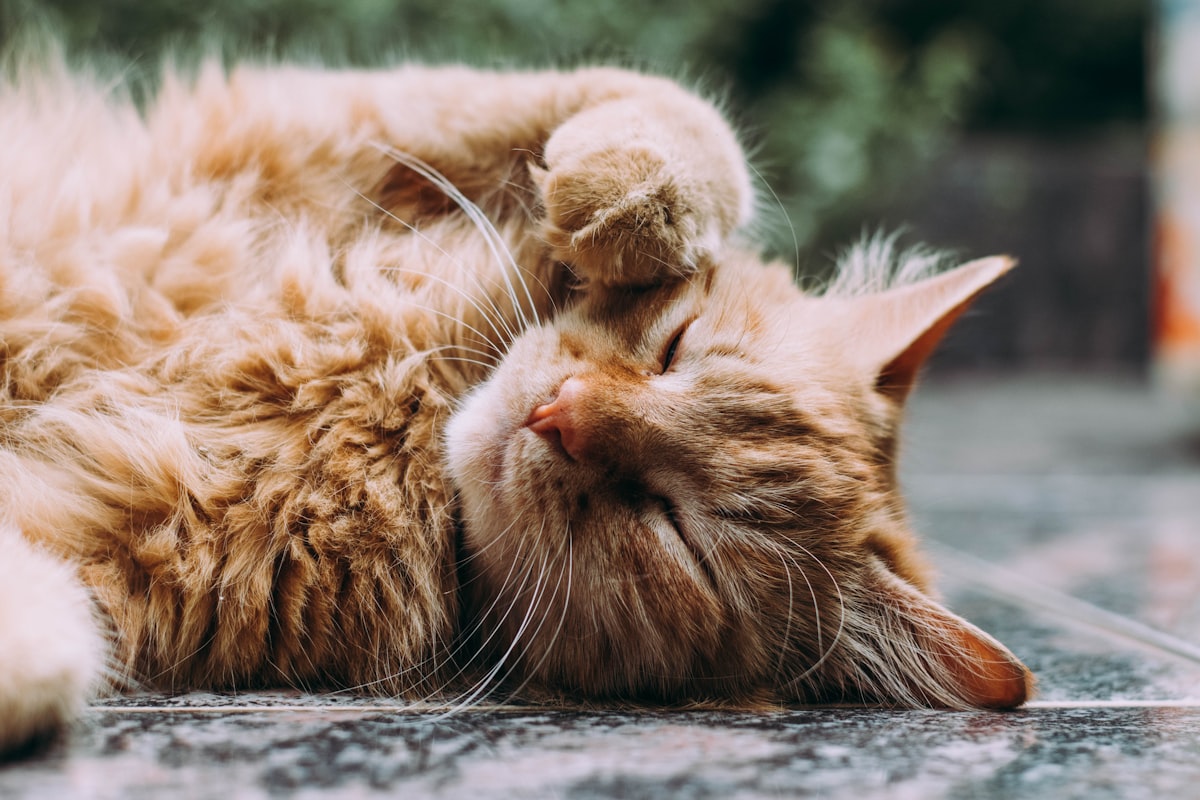
This is the most common reason. A cat that is curled up on your lap, eyes closed, purring away, is likely very content.
Look for these happy signs:
- Soft, slow blinking
- A relaxed body
- Tail still or gently moving
- Kneading with the front paws
If you see these signs, enjoy the moment. Your cat feels safe with you.
2. Your Cat Wants Food
Does your cat purr loudly by the food bowl in the morning? That may be a special purr.
Scientists found that some cats use a "food purr." It mixes a normal purr with a high sound, a bit like a baby crying. People find this sound hard to ignore. So the cat gets fed faster.
Smart, right? Your cat learned what works on you.
3. Your Cat Wants Attention
Some cats purr to say "notice me." Your cat may rub against your legs, climb on your laptop, or sit on your book while purring.
This purr often comes with a head bump or a gentle meow. Your cat simply wants some love or playtime.
4. Your Cat Is Bonding With You
Purring is a way for cats to connect. Mother cats purr to their kittens. Kittens purr back. It builds trust between them.
When your cat purrs as you pet it, it may be showing that same trust. It treats you like family.
5. A Kitten Is Talking to Its Mom
Kittens are born blind and deaf. But they can feel their mother's purr. The vibration helps them find her so they can drink milk and stay warm.
Kittens start to purr when they are only a few days old. Their purr tells the mother cat, "I am here and I am okay."
6. Your Cat Is Stressed or Scared
This one surprises many owners. Cats sometimes purr when they are afraid. You may hear it at the vet, during a car ride, or after a loud noise.
In these moments, purring may help the cat calm itself down. It is a bit like how a person might hum or take deep breaths when nervous.
Signs your cat is purring from stress:
- Ears pulled back
- Wide eyes
- Tail tucked in
- Hiding or crouching low
If you see these signs, give your cat a quiet, safe space.
7. Your Cat Is Hurt or Sick
Cats may purr when they are in pain. Some cats even purr when they are very sick or near the end of life.
Some researchers believe the low sound of a purr may help the body heal. The idea is that these gentle vibrations could help bones and tissues repair. Scientists are still studying this, so we do not know for sure.
What we do know is this: a purr does not always mean a cat feels fine.
When Should You Worry About Purring?
Purring on its own is normal. But watch for purring that comes with other changes. Call your vet if your cat is purring and also:
- Stops eating or drinking
- Hides much more than usual
- Breathes fast or with its mouth open
- Is vomiting or has diarrhea
- Cries when touched
- Seems weak or sleepy all day
- Has trouble using the litter box
Cats are very good at hiding pain. A purr can hide it too. Trust your gut. If your cat seems "off," a vet visit is a good idea.
Do All Cats Purr?
Most house cats purr. But some purr more than others. Some cats purr so softly that you can only feel it. Others purr so loud you can hear them from across the room.
If your cat does not purr much, do not worry. It does not mean your cat is unhappy. Every cat is different.
What about big cats? Cheetahs, bobcats, and pumas can purr. Lions and tigers are different. They can roar, but they cannot purr the way house cats do.
How to Tell What Your Cat's Purr Means
A purr is just one clue. To understand your cat, look at the whole picture:
Check the body. Is it loose and soft, or tight and low?
Check the eyes. Slow blinks mean calm. Wide eyes can mean fear.
Check the place. Is your cat on your lap, or at the vet?
Check the timing. Is it breakfast time? Your cat may just be hungry.
Put these clues together, and you will learn to "read" your cat's purr over time.
The Bottom Line
So, why do cats purr? Most of the time, it means your cat feels happy and safe. But cats also purr to ask for food, get attention, calm their nerves, or cope with pain.
The more you watch your cat, the better you will understand what each purr means. And every purr is a small way your cat talks to you.
Frequently Asked Questions
Do cats purr on purpose?
Yes. Cats can choose when to purr. It is a way to talk, ask for things, or calm down.
Why does my cat purr and then bite me?
Your cat may enjoy petting at first, then feel too much touch. Watch for a twitching tail or flat ears. These signs mean it is time to stop.
Why does my cat purr so loud?
Some cats just have louder purrs. A loud purr is usually nothing to worry about if your cat is acting normally.
Can cats purr when they sleep?
Yes. Many cats purr as they drift off or while resting deeply.
Is it bad if my cat stopped purring?
If your cat suddenly stops purring and also acts sick or sad, call your vet.