Quick answer: African grey parrots usually live 40 to 60 years with good care. Some live even longer. Diet, exercise, vet care, and a safe home all play a big role. Because they live so long, an African grey can be a lifelong friend, so plan ahead before bringing one home.
African grey parrots are smart, funny, and full of personality. They can learn many words and even understand what some of them mean. But there is one thing many new owners do not expect. These birds can live a very long time.
So, how long do African grey parrots live? Let's look at their average lifespan, what affects it, and how you can help your bird live a long and happy life.
Average African Grey Parrot Lifespan
Here is a simple look at how long African greys live:
| Setting | Average Lifespan |
|---|---|
| In a home with good care | 40 to 60 years |
| In a home with poor care | Often much shorter |
| In the wild | Usually shorter than in homes |
In the wild, African greys face predators, disease, and loss of their forest homes. In a home, with the right care, they can live for decades.
That means an African grey may outlive its owner. Many owners include their bird in their will or make a plan for who will care for it later.

Types of African Grey Parrots
There are two main types of African greys kept as pets.
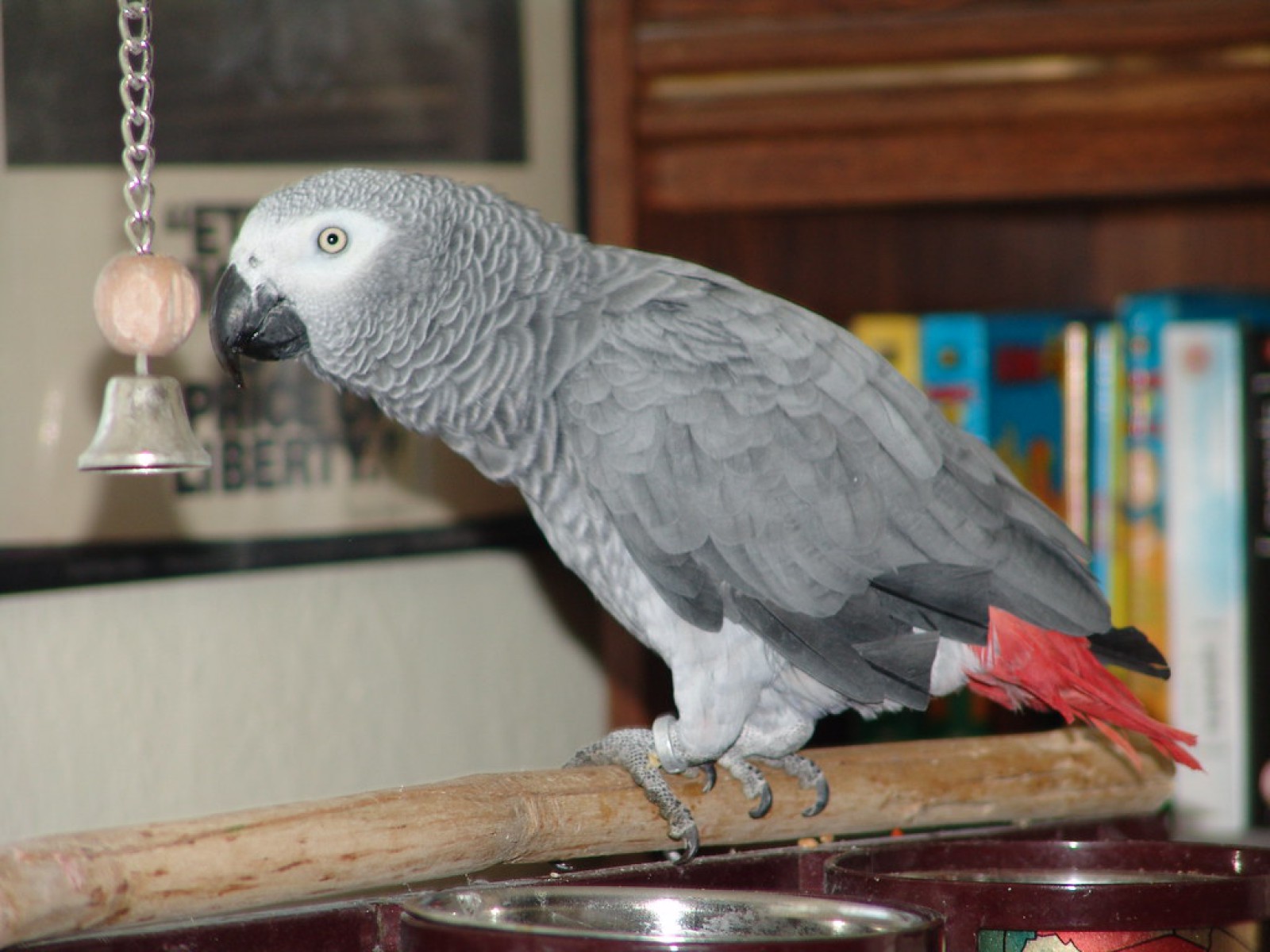
Congo African Grey: This is the larger and more common type. It has light gray feathers, a black beak, and a bright red tail.
Timneh African Grey: This type is smaller and has darker gray feathers. Its tail is a deep maroon color, and its upper beak is partly light colored.
Both types have similar lifespans and need the same kind of care.
What Affects an African Grey's Lifespan?
Several things can help or hurt how long your parrot lives.
Diet
Food is one of the biggest factors. Many birds that eat only seeds get sick because seeds are high in fat and low in important vitamins.
A healthy African grey diet includes:
- Pellets: These should make up most of the diet.
- Fresh vegetables: Leafy greens, carrots, sweet potato, broccoli, and peppers.
- Some fruit: Apple (no seeds), berries, mango, and melon in small amounts.
- A few seeds and nuts: As treats only.
African greys are known to have low calcium levels more often than many other parrots. Foods like leafy greens can help. Your vet may suggest a supplement.
Safe Foods and Dangerous Foods
Some foods are toxic to parrots. Never feed your African grey:
- Avocado
- Chocolate
- Caffeine (coffee, tea, soda)
- Alcohol
- Salty or greasy snacks
- Apple seeds and fruit pits
Exercise and Play
African greys need to move. They should spend several hours a day out of their cage in a safe space. Climbing, flapping, and playing all help keep their bodies strong.
Mental Health
These birds are very smart. A bored African grey can become stressed. Stressed birds may pull out their own feathers. This is called feather plucking, and it is common in greys.
Keep your parrot busy with:
- Puzzle toys and foraging toys
- Toys they can chew and shred
- Training and talking every day
- New toys each week
Vet Care
A yearly checkup with an avian vet (a vet who treats birds) is important. Birds hide sickness very well. By the time you notice something is wrong, your bird may be very sick. Regular checkups help catch problems early.
A Safe Home
Some common household items can harm your parrot.
Nonstick pans: When heated too much, nonstick cookware can release fumes that can kill birds very quickly. Many bird owners switch to stainless steel or cast iron.
Other fumes: Air fresheners, scented candles, aerosol sprays, and cigarette smoke can hurt your bird's lungs.
Open windows and doors: A parrot can fly away in seconds.
Ceiling fans: Always turn them off when your bird is out.
Sleep
African greys need about 10 to 12 hours of sleep each night. A quiet, dark room helps. Many owners cover the cage at night.
Common Health Problems in African Greys
Watch for these issues:
- Low calcium: Can cause weakness or shaking.
- Feather plucking: Often linked to stress, boredom, or health problems.
- Breathing problems: Can be caused by fumes, dust, or infections.
- Vitamin A deficiency: Often seen in birds that eat mostly seeds.
- Beak and feather disease: A serious virus that affects feathers and the beak.
Signs Your African Grey May Be Sick
Call your avian vet if your bird:
- Sits fluffed up for a long time
- Stops eating or drinking
- Has changes in its droppings
- Breathes with its tail bobbing
- Has runny eyes or nose
- Sleeps much more than usual
- Stops talking or making noise
- Sits on the cage floor
Do not wait. Birds can get very sick very fast.
How to Help Your African Grey Live Longer
Here are simple steps you can take every day:
- Feed mostly pellets with fresh vegetables.
- Give your bird time out of the cage every day.
- Offer new toys and puzzles often.
- Talk to and train your bird daily.
- Visit an avian vet every year.
- Remove nonstick pans and strong fumes from your home.
- Make sure your bird gets 10 to 12 hours of sleep.
- Keep the cage clean and give fresh water every day.
Before You Get an African Grey
African greys are a big commitment. They need daily attention for many decades. They can be loud, messy, and demanding.
African greys are also endangered in the wild. If you want one, choose a trusted breeder or adopt from a bird rescue. Never buy a bird that may have been taken from the wild.
The Bottom Line
So, how long do African grey parrots live? With good care, most live 40 to 60 years. A healthy diet, daily play, a safe home, and regular vet visits can help your bird live a long, happy life.
An African grey is not just a pet. It is a friend for life.
This article is for information only and is not a substitute for advice from a licensed avian veterinarian.
Frequently Asked Questions
Can an African grey live 80 years?
It is very rare, but some reports say a few greys have lived past 60. Most live 40 to 60 years.
Do male or female African greys live longer?
There is no big difference. Care matters much more than whether your bird is male or female.
How old is my African grey in human years?
Parrots do not age the same way as people, so there is no simple chart. A grey is often an adult by about 3 to 5 years old.
Can African greys live alone?
They can live as the only bird, but they need lots of daily time with their people.
What is the most common cause of early death in African greys?
Poor diet, toxic fumes, and untreated illness are some of the most common causes.